


Most business owners think they need more leads. Sometimes they do. But often, the bigger issue is...
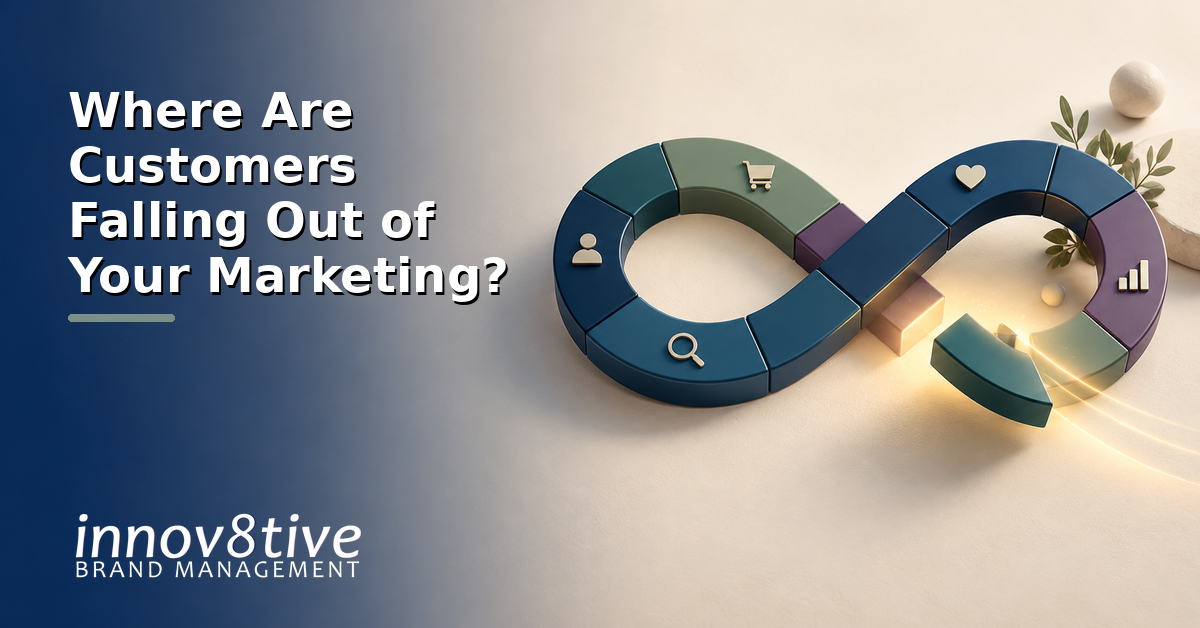
Most businesses do not have one marketing problem. They have a break between two stages of the customer relationship. People notice the business but do not engage. They inquire but do not buy. They buy once but never return. Finding that break is more useful than adding another campaign.
The Journey Continues After Awareness
Marketing is often treated as the work that attracts attention. That leaves the rest of the customer experience disconnected from the plan. Attention has value only when people can move toward a relationship that benefits both the customer and the business.
The Customer Value Journey provides a practical way to examine that movement. The stages are Awareness, Engage, Subscribe, Convert, Excite, Ascend, Advocate, and Promote. Customers do not always move through them in a perfect line, but each stage represents a decision or experience the business should support.
Awareness to Engage
Awareness means the right people encounter the brand. Engagement means they find enough relevance to spend more attention. A reach problem requires different action from an engagement problem.
If very few qualified people see the business, distribution may need work. If many people see it but do not click, read, watch, or respond, the message may be too broad, the topic may not match their priorities, or the content may not give them a reason to continue.
Engage to Subscribe
A person can appreciate content without wanting ongoing communication. To earn a subscription or inquiry, the business needs to offer clear value and explain what the person will receive.
Review your forms, lead resources, newsletter promises, and invitations. A vague request to join our list gives the visitor little reason to exchange contact information. A focused resource, assessment, or useful series creates a more specific and credible exchange.
Subscribe to Convert
This is where many leads lose momentum. The business captures contact information but has no deliberate follow-up path. The prospect receives a generic email, gets handed to sales without context, or hears nothing until the next newsletter.
Conversion improves when the next step fits the original interest. Use the information already provided to continue the conversation. Explain the relevant offer, answer likely questions, and make the next action easy to understand.
Convert to Excite
A sale does not complete the journey. It creates an expectation. The Excite stage is where the business confirms that the customer made a good decision through onboarding, communication, delivery, and early progress.
Look for uncertainty immediately after purchase. Does the customer know what happens next, who to contact, what you need from them, and when they will hear from you? A thoughtful first experience reduces anxiety and creates the foundation for retention.
Excite to Ascend
Ascension is the natural continuation of a successful relationship. It may involve a renewal, a larger engagement, an additional service, or a longer-term program. The offer should respond to a real next need rather than feel like an unrelated upsell.
Businesses often miss this stage because service delivery consumes all available attention. Build regular reviews into the relationship so customers can see progress, discuss new priorities, and understand which next option fits.
Ascend to Advocate and Promote
Satisfied customers do not automatically become advocates. They may be willing to share feedback or refer someone but never receive a timely request. Advocacy needs a process that respects the relationship.
Ask for reviews, testimonials, case participation, and referrals after a meaningful success. Make the request specific and easy. Customers who actively promote the brand can then become an important source of trust for people at the beginning of the journey.
Fix the First Meaningful Break
Map the journey using actual customer behavior. Identify what you offer at each stage, who owns the next action, and what evidence shows people moving forward. The blank spaces and sharp drop-offs reveal where to investigate.
Do not try to rebuild every stage at once. Fix the earliest meaningful break, measure the change, and continue from there. Innov8tive Brand Management's Free Brand Assessment can help you identify that priority. Contact Michele at 240-446-3916 or visit https://innov8tivebrands.com/contact.